In the corporate world, there’s a belief that the leadership team only notices an event when things go wrong. A technical glitch or catering delay can draw the wrong kinds of attention, but there are other, less obvious elements of an event that success is measured with.
The reality is that high-level executives are constantly evaluating events through a specific, strategic lens. They aren’t looking at the floral arrangements; they are looking at Cultural ROI.
Moving from planning the event to creating a spectacular moment, there are four subtle indicators that signal a “professional-grade” event to the C-suite.
The frictionless executive flow
Leadership notices when they don’t have to do the thinking. For a CEO, CMO, or keynote speaker, the event begins when they receive a briefing note, not when they walk onto the stage.
A well-run event will provide an “invisible hand” experience. The type of hand that has made transitions seamless, tech pre-vetted and tested, a floorplan engineered for a high-value experience including networking (not just filling a room).
If an executive can navigate a four-hour summit without a single moment of logistical confusion, they credit the organiser with operational excellence.
The venue as a trust anchor for your brand and your role
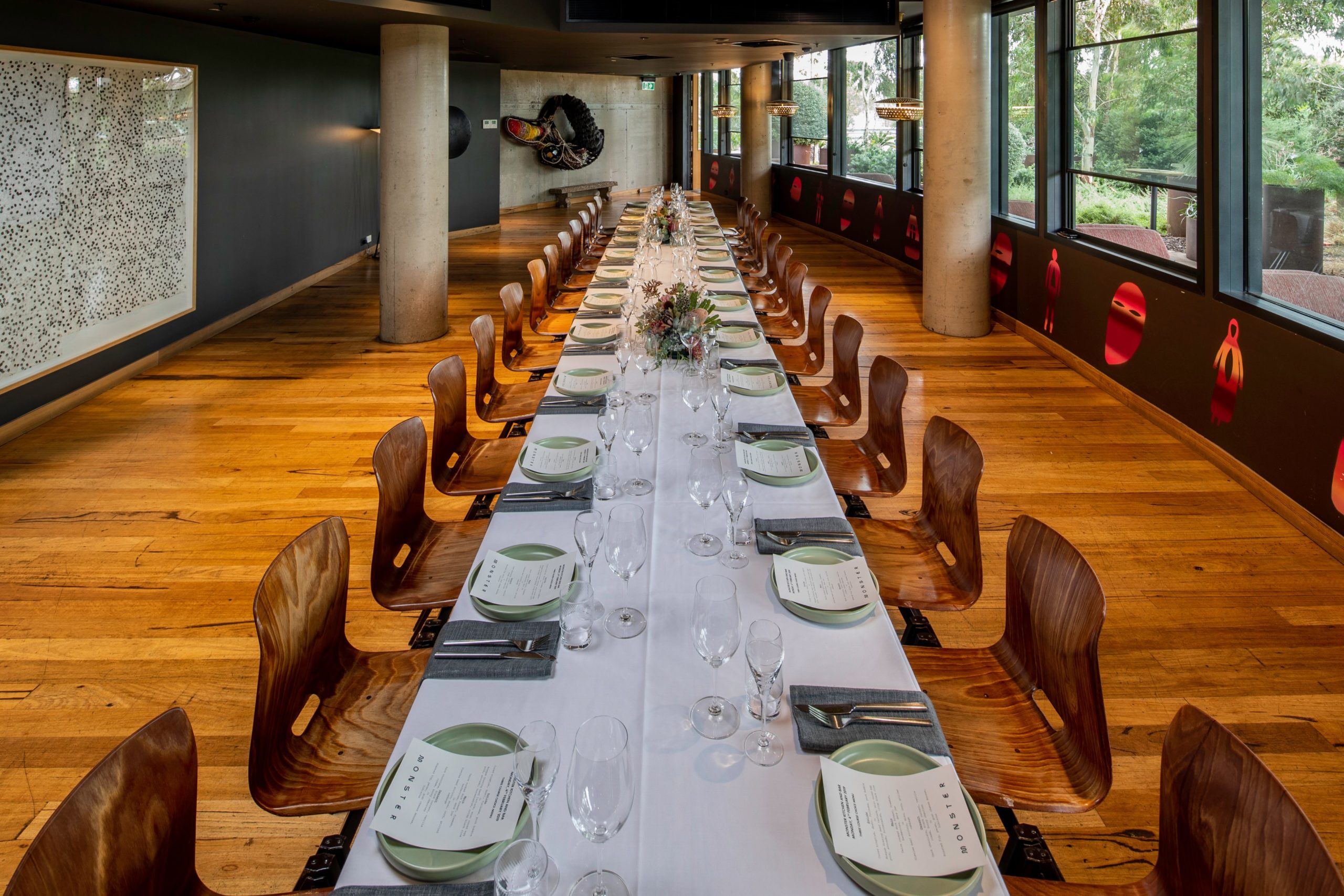
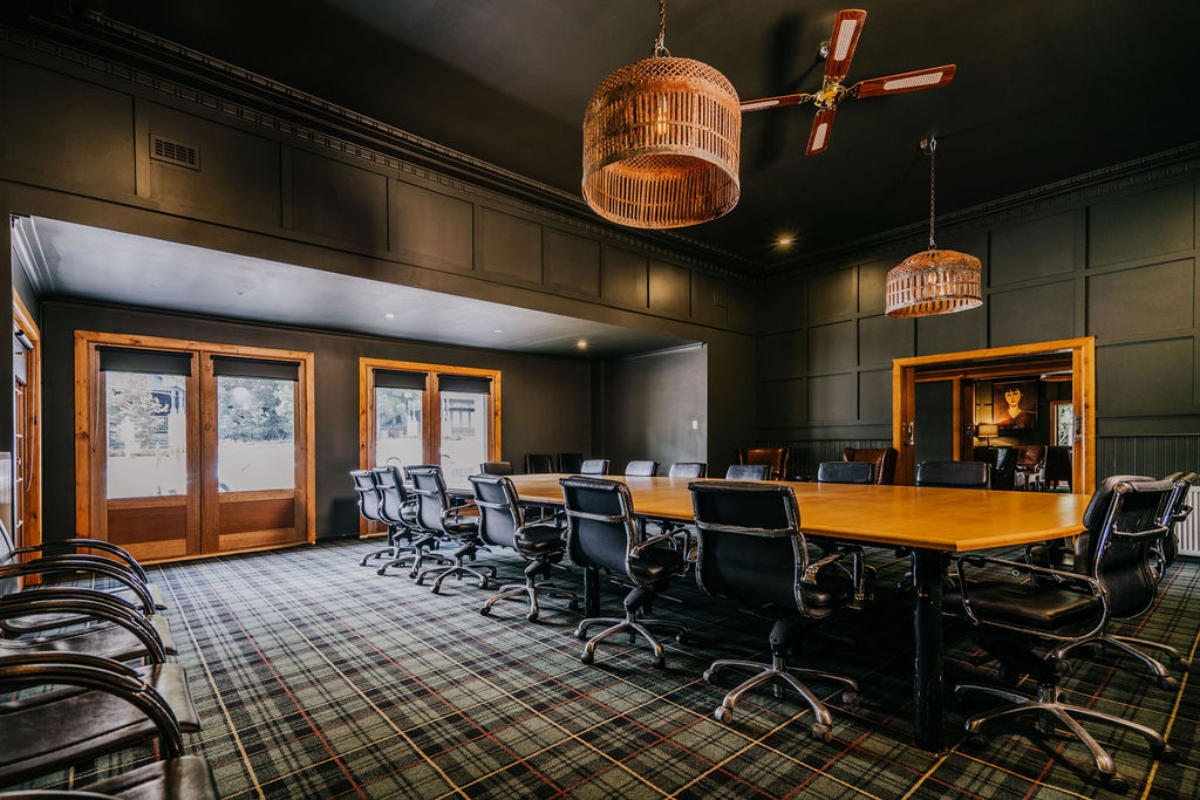
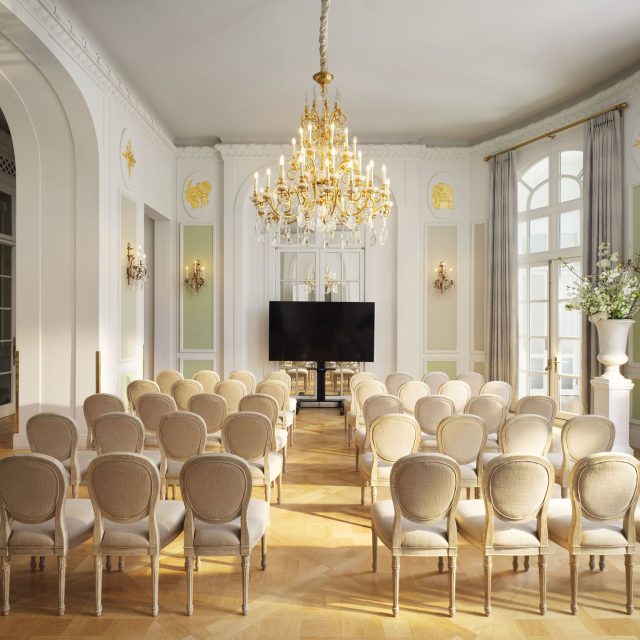
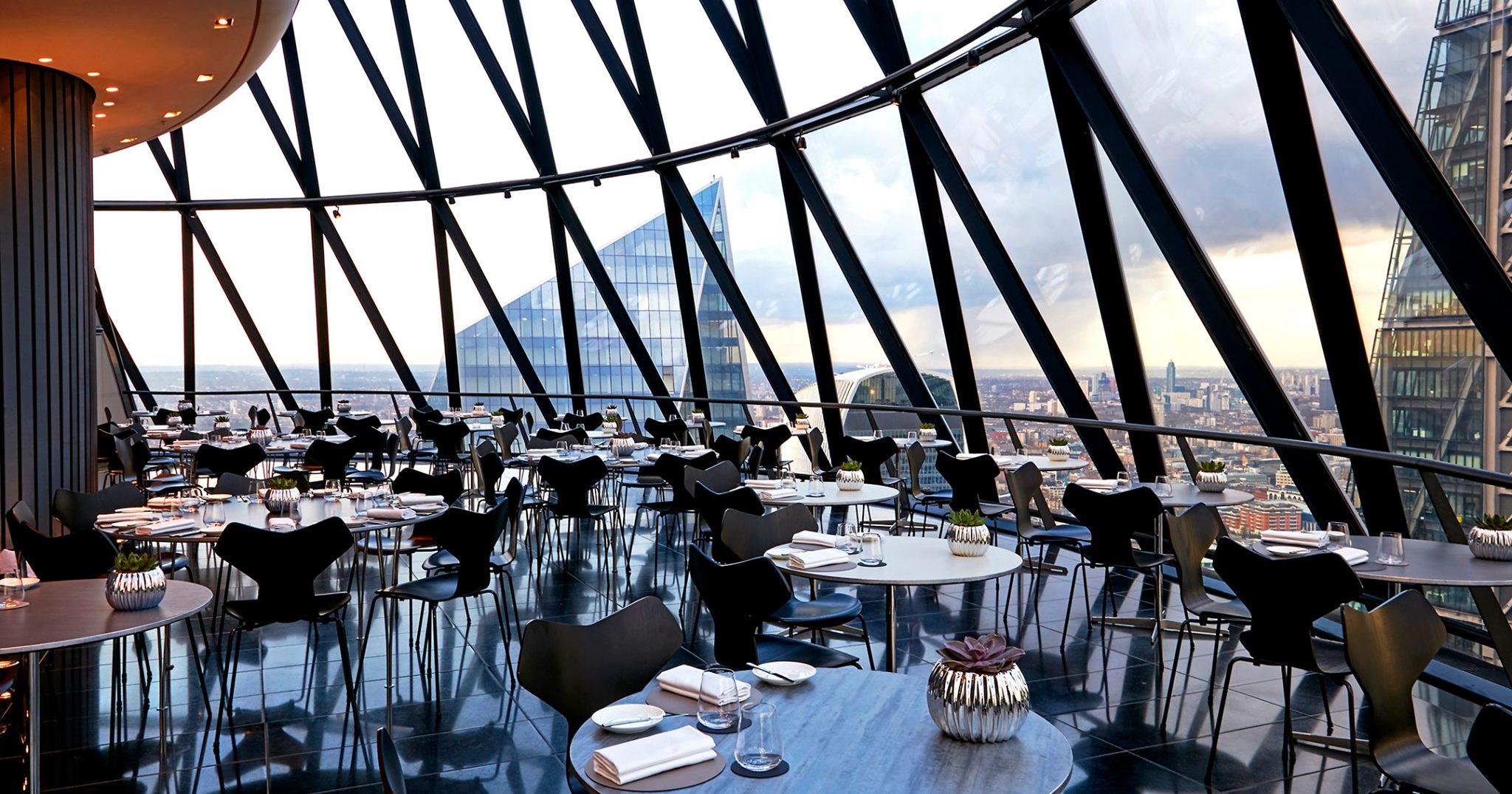
Leadership is hyper-aware of brand alignment. They notice when a venue choice, like a Signature Space with heritage authority, elevates the company’s market positioning.
A well-chosen venue acts as a silent validator of the company’s stability and success. When an event is hosted in a space that offers “Functional Beauty” and professional-grade tech, it sends a message to clients and stakeholders that the business is detail-oriented and premium. Conversely, a venue that feels “standard” or lacks character can inadvertently signal a lack of ambition. Leadership notices when the backdrop does the heavy lifting for the brand.
Content Longevity and Digital ROI
In 2026, a “one-night-only” event is an expensive luxury. Modern leadership notices when an event is built to be a Content Engine. They look for the “Marketing Tail” – how the event lives on via LinkedIn, the company website, and industry press. When an Event Director presents a post-event report that includes high-resolution assets, video testimonials, and a six-month content plan derived from a single afternoon, leadership sees a strategic investment rather than a cost centre. They notice when you’ve turned a physical moment into a digital asset.
Administrative Freedom (The One-Invoice Standard)
Perhaps the most significant thing leadership notices is the Efficiency of the Team. If an Event Director is bogged down in fragmented data, chasing fifty different catering and AV invoices, they aren’t available for high-level strategy.
Leadership notices when the planning process is streamlined. Adopting a “One-Partner, One-Invoice” system through Venue Crew signals to the board that you are prioritising Administrative Freedom. It shows that you value your creative bandwidth enough to outsource the “heavy lifting” to experts, ensuring the internal team remains focused on the $1,000-per-hour tasks: stakeholder management and brand strategy.
Well-run events aren’t defined by the absence of mistakes; they are defined by the presence of strategy. Leadership notices when an event feels like an extension of the business’s DNA. They notice when the logistics are so “Professional-Grade” that they become invisible, allowing the brand’s message to take centre stage.
Feeling overwhelmed by the venue hunt? Our friendly Venue Specialists are here to help — get in touch with them today.