January is the time to reset the calendar and your priorities. It’s also the best time to be strategic and set yourself up for a lucrative and productive year ahead. While most inboxes are quieter during this time period, calendars remain flexible, and this is when smart teams will leverage the quiet to benefit both their work and their time.
From internal celebrations and leadership off-sites, through to client-facing events and major end-of-year functions, planning early allows teams to save significant time, stress, and can be a cost-saving measure. The result? Better events, smoother execution, and hundreds of hours reclaimed across the year.
January is flexible
In January, organisations are still looking at the list of priorities rather than reacting to them. Budgets are being set, but are not depleted, diaries are open, and this is the rare window where decisions are made calmly and with input from the stakeholders. No more last-minute decisions under pressure.
Teams that plan their events during this period gain control over dates and formats and, most importantly, venues, before the competition increases and other businesses start to get their dates and calendars aligned. As the year progresses, availability tightens and options narrow. January is for planning and preserving your choice, which is one of the most valuable assets in event management.
Purpose of the event before the dates
First things first, to kick off the year, is to work out what events there will be. This happens before choosing dates and venues. When the list of events is compiled, an important step that is often overlooked is to examine the event’s purpose. Define why each event exists. Whether an event is designed to celebrate, connect, inform or impress, clarity of purpose shapes every decision that follows.
When teams understand the role each event plays within the business, they avoid overbuilding some events while underinvesting in others. This clarity makes it easier to determine scale, budget and format early, preventing the need for rework later in the year.
The 12-month plan
Instead of looking at events one at a time, high-performing teams will look at the calendar and plot out all the events. This allows them to balance the workloads across quarters and avoid any calendar congestion. It also gives time to identify periods of high internal demand before they become problems, allowing those involved to plan ahead.
Looking at events collectively also helps teams to spot efficiencies. Similar events can share formats, venues, and suppliers, while major events can take the energy and attention that they deserve.
Venue decisions made early make all the difference
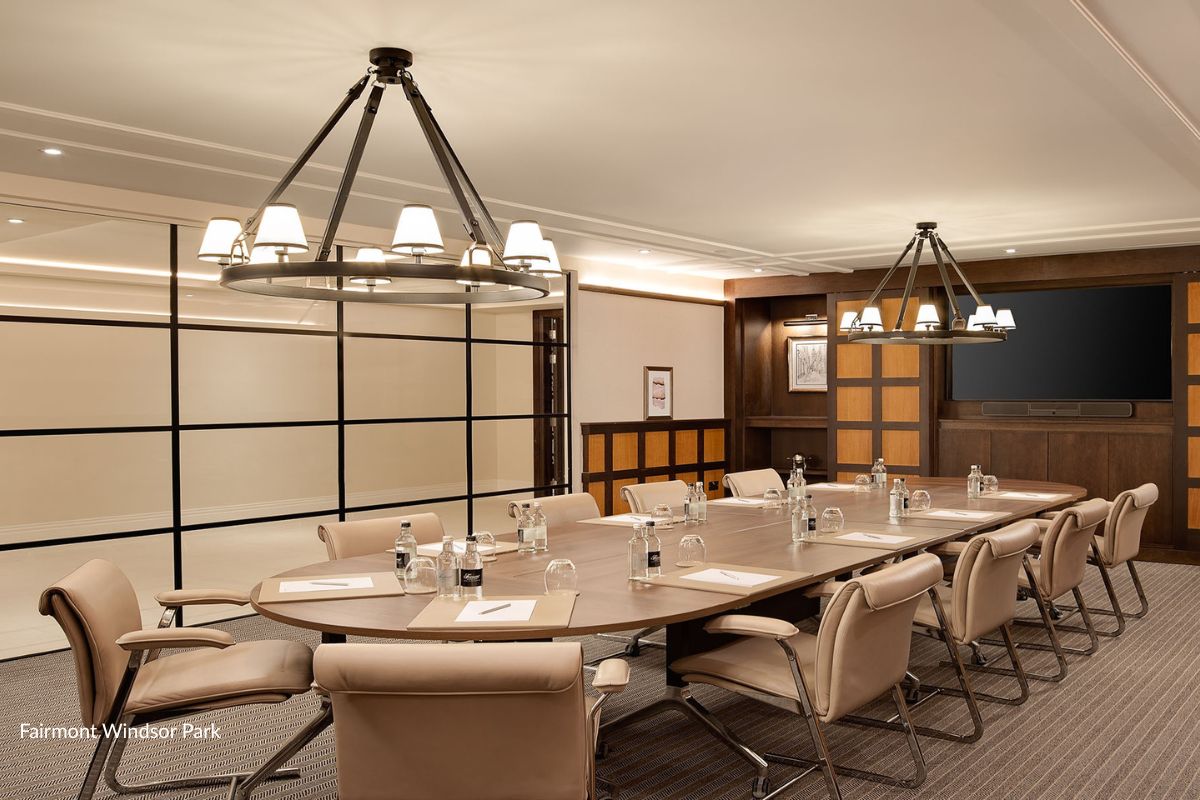
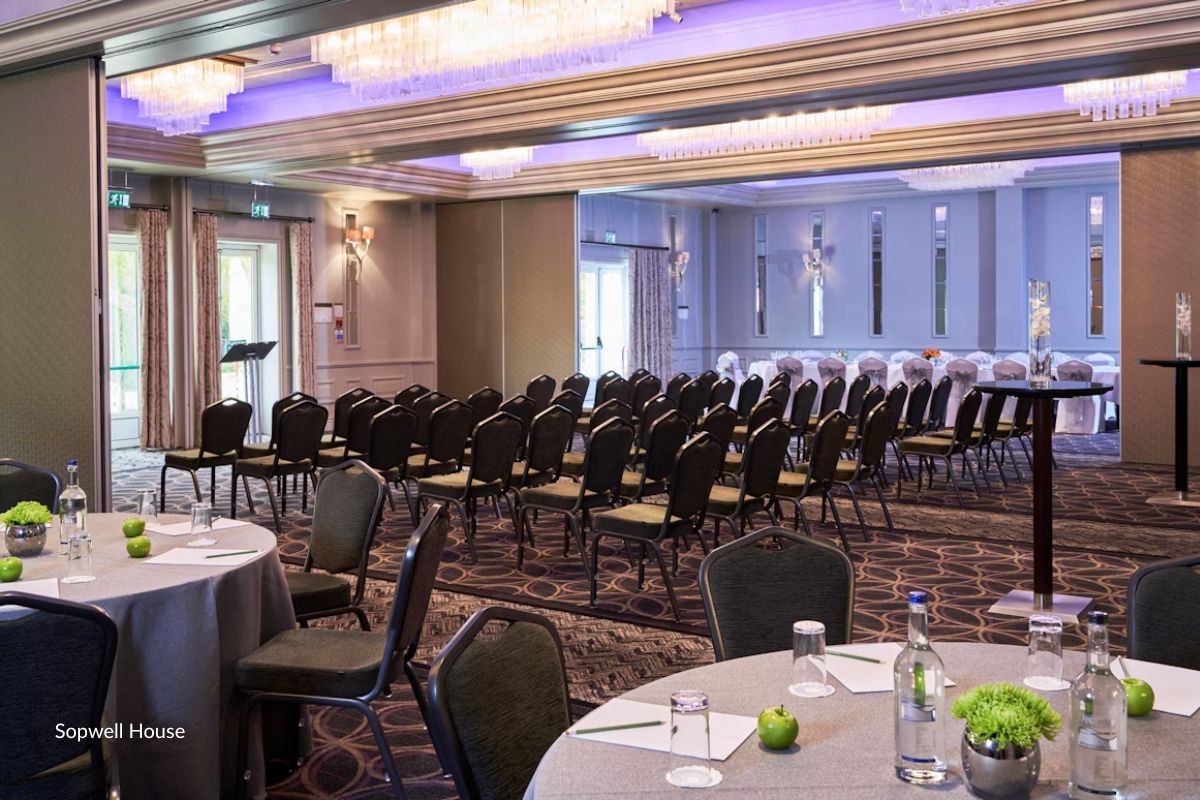
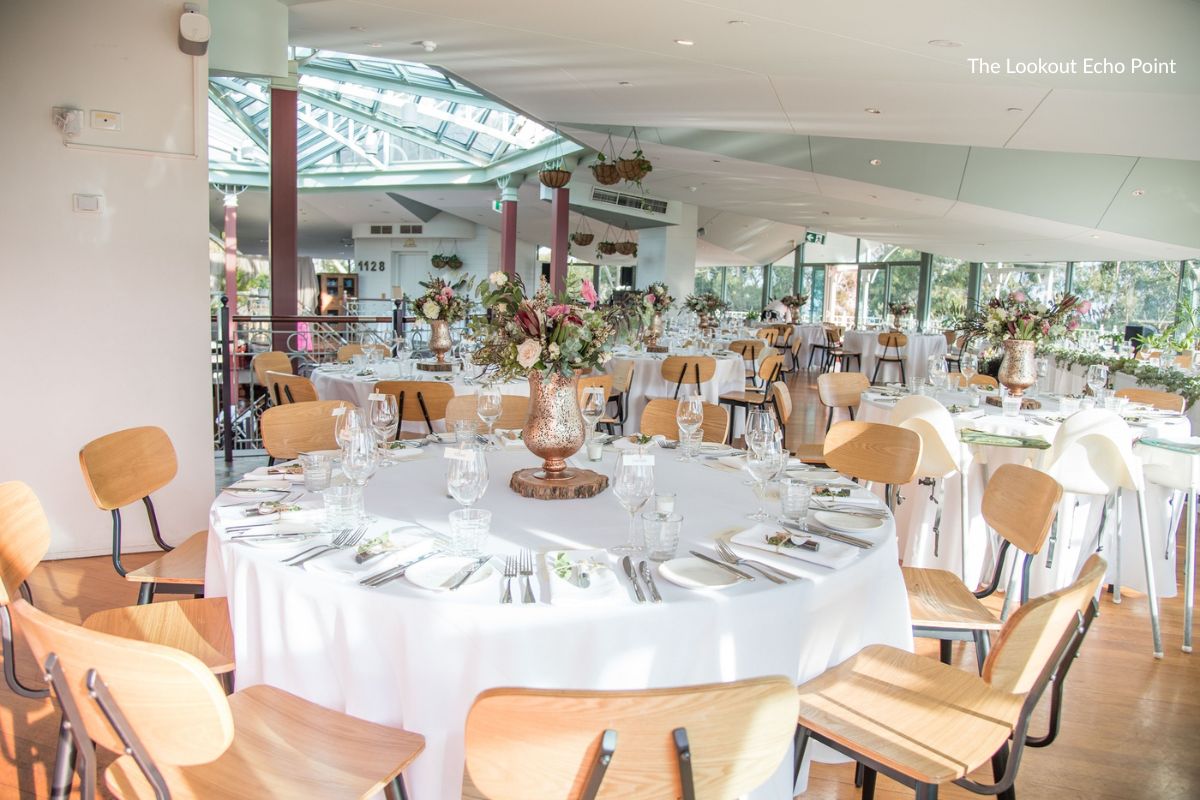
Venues aren’t only one of the most important decisions when it comes to event planning, but they’re also time-consuming, particularly when it’s left late and scrambling. Teams that plan in January benefit from a wide range of availability, allowing them to be more selective rather than choosing from what’s left.
There is also the ability to create strategic venue partnerships. Securing multiple dates with the same venue or venue groups can mean building a rapport with the team and setting up expectations and ways of working early doors.
Realistic timelines prevent reactive planning
Early planning allows teams to work backwards from each event date, and establish a realistic lead time for approvals, communications, and logistics. This removes urgency and rush from the process and gives stakeholders more clarity.
Instead of rushing to confirm details under pressure, teams move through milestones methodically. This approach not only improves execution but also reduces the volume of internal follow-ups and external supplier queries throughout the year.
Single source of truth
High-functioning teams centralise their event information early. A master calendar, clear ownership and consistent documentation ensure that everyone is working from the same understanding, even as responsibilities shift.
This structure allows teams to scale their efforts without losing control. When information is easy to access and clearly organised, events can be managed collaboratively without creating confusion or duplication.
Planning ahead leads to smarter budgets
Planning a full-year program with intentional budgets? You’ll find yourself actually saving money! Teams can allocate resources based on impact, forecast spend accurately, and avoid premium costs caused by urgency.
The hidden benefits
The true value of January isn’t just about leveraging that ‘quiet time’ and planning better events, but it can give you breathing room for the year. Fewer last-minute emails, less urgent decisions, and no more avoidable issues, which can add up quickly when you’re left with no time.
For many teams, this results in hundreds of hours reclaimed — time that can be redirected toward strategy, stakeholder engagement, or simply reducing workload pressure.
Designing your year, not reacting to it
The best-run events rarely feel rushed or chaotic. That’s because they weren’t planned in isolation or under pressure. They were designed early, with intention and foresight.
By using January to plan a full year of events, smart teams don’t just stay ahead — they create a calmer, more effective way of working that benefits everyone involved.
Chat to our amazing Venue Specialists, and they'll match you with a list of personalised venue recommendations.