In the world of corporate events, a successful event is sometimes pulled with just survival. A good day, and a great event, might be measured by the fires that have been put out rather than the overall impact of the day. The missing AV adapters, the catering that arrived late; these aren’t always the measure of success versus failure.
But there is a different kind of success. It’s quieter, more strategic, and far more impactful.
This success is what happens when the logistics are so seamless and well-sorted that they’re invisible. When your time and energy has stopped leaking and is being used in a productive way that doesn’t mean chasing the small but rather planning the big, you stop being a coordinator and reach director level.
Here is what true event success looks like when you reclaim your Administrative Freedom.
1. The “Presence” Shift
There’s a time in your event planning journey where you become untethered from your wireless headphones or chasing around floor managers trying to find misplaced seating charts. When you let go of these parameters, something remarkable can happen: you become present.
Success is being able to stand at hte back of the room and observe the language of your stakeholders, spending the time checking in on that, rather than the logistics of the venue. It’s about having the mental bandwidth to know that the CEO seems relaxed, the guests are networking and not standing around on their phones, and the atmosphere matches the original brief. Your job here is done, your success can now be measured off vibes and not off running out to the local store to replace the missing powerboard needed.
The Logistics Win: Because you used a Single Source of Truth for your venue specs and tech requirements, there are no “day-of” surprises to pull you away from the room.
2. Content Becomes the Priority, Not the Afterthought
Most event planners only think about “the photos” when they see the photographer arrive. When logistics are sorted months in advance, you’ve already pre-vetted the venue for its Content Longevity. Success is knowing that every corner of the room is a high-authority backdrop. You aren’t just running an event; you are running a content engine that will fuel your brand’s social media and PR for the next six months.
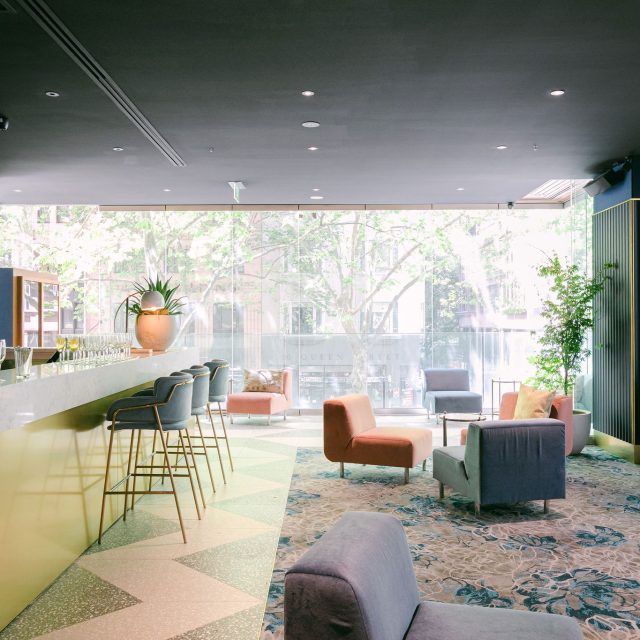
With this in mind, site-reccys are now a time to picture the event in full. Where does the media wall go? Where is a content station that you’re bound to see in Instagram Stories and on LinkedIn posts? What’s a real wow-factor? These are all questions that you can be asking yourself, because someone else might.
3. Decision Fatigue is Replaced by Creative Strategy
We often mistake “busywork” for “important work.” True success is reaching the morning of your event without Decision Fatigue. When your points of contact are centralised and your venue choices were human-verified long ago, you don’t have to make 100 micro-decisions on the day of. This leaves you with the energy to handle the things that actually matter including high-level networking and guest engagement.
4. The “One-Invoice” Aftermath
Success isn’t just about the event day; it’s about the week after. We’ve all been there: the event was a hit, but now you have to reconcile 15 different invoices from 15 different vendors. True logistical success looks like a streamlined dashboard where your quotes, contracts, and contacts live in one place. Administrative Freedom means the “post-event burnout” is replaced by a simple, 60-second budget reconciliation.
5. The 50% Repeat Rule
Ultimately, the greatest indicator of a successful event is the Return Rate. When logistics are seamless, the guest experience is frictionless. They don’t remember the AV working—they remember the message. They don’t remember the food arriving—they remember the conversation. High-quality environments, managed with professional-grade precision, are the primary driver of attendee retention.
Logistics shouldn’t be the “main event.” They should be the silent foundation that allows your brand’s ambition to take centre stage.
If you’re tired of the “Survival Mode” approach to planning, it’s time to change your infrastructure. Stop searching, start directing, and experience what happens when the logistics are finally, actually, sorted.
Feeling overwhelmed by the venue hunt? Our friendly Venue Specialists are here to help — get in touch with them today.