It’s the worst-kept corporate secret: No one actually wants to go to a town hall… Unless you make it worth the calendar invite.
But therein lies the age-old question upper-management has been asking themselves since time immemorium: How?
A good town hall should give people access to information, leaders and conversations they don’t normally get during the working week. Done well, it can reset priorities, answer the questions circulating around the office and remind everyone that there are actual humans behind all those Slack profile pictures.
Here’s how to plan one a Town Hall people actually want to attend.
Put the thing people actually care about first
No one is there for fluff. Don’t spend the opening 20 minutes on housekeeping before eventually reaching the announcement everyone came to hear. Lead with something meaningful: the company direction, the big update, the new project or the question currently occupying everyone’s minds.
Once you’ve earned people’s attention, they’re far more likely to stay engaged for everything that follows.
Quick Tip: Ask yourself what employees would tell a colleague about the town hall afterwards. Put that moment near the start.
Get more people off the sidelines
One CEO speaking for 90 minutes is technically a town hall. It just isn’t a particularly interesting one.
Bring different voices onto the stage. Project leads can give quick updates, newer employees can share recent wins and teams can explain what they’re working on in short, focused segments. Changing speakers naturally changes the pace and gives employees a broader view of what’s happening across the business.
Quick Tip: Keep individual presentations short and give each speaker one clear thing to communicate.
Let employees influence the conversation
The Q&A shouldn’t feel like five spare minutes tacked onto the end.
Allow people to submit questions beforehand, ask anonymously or vote on the questions they most want answered. It makes participation easier for people who aren’t keen on grabbing a microphone in front of the entire company and gives leadership a much clearer picture of what employees actually want to discuss.
Quick Tip: Leave enough time to answer difficult questions properly rather than racing through as many as possible.
Room for participation, not just capacity
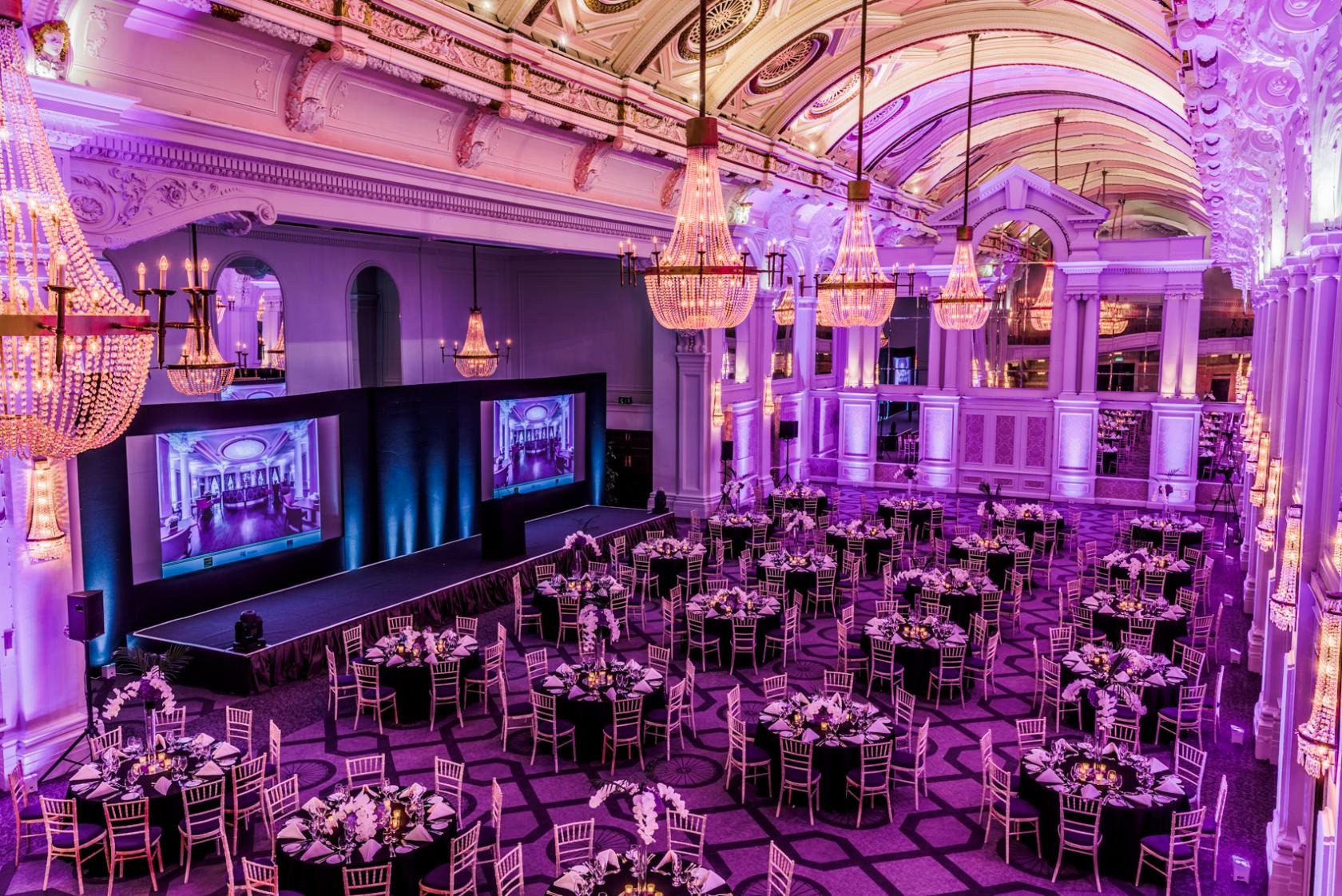
Finding a venue that technically fits 400 people is only half the job. Can the person at the back see the speaker? Is the screen large enough? Can everyone hear clearly? Is there somewhere to gather afterwards?
Theatre-style seating works for major presentations, but cabaret layouts, tiered seating or spaces with adjoining breakout areas can work better when discussion is part of the agenda. A strong AV setup also matters enormously when you’re trying to keep a large room focused. Keep these in mind when finding the right space.
Quick Tip: When inspecting venues, stand in the worst seat in the room. If the experience works from there, you’re probably onto something.
Give the day a change of gear
Attention isn’t unlimited. Even excellent speakers start fighting a losing battle after enough consecutive slides.
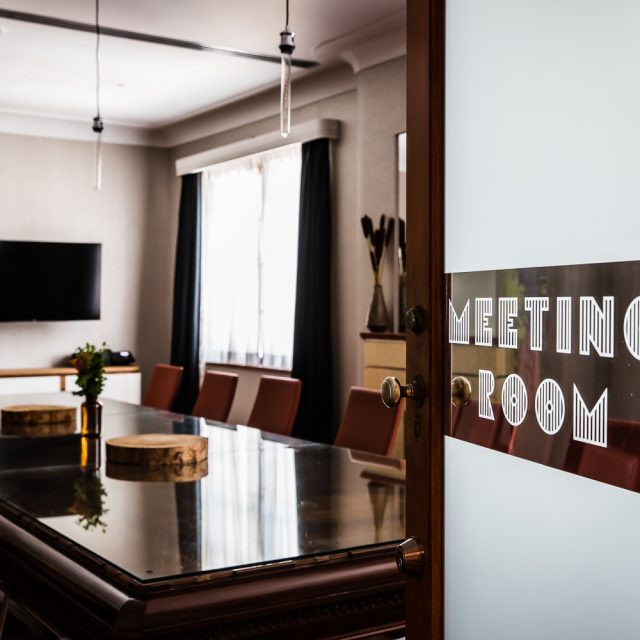
Break longer sessions with a live poll, short demonstration, employee interview or a proper coffee break. If the agenda covers several substantial topics, consider using breakout rooms so smaller groups can discuss the issues most relevant to them before everyone comes back together.
The goal isn’t to cram entertainment into a business meeting. It’s simply to stop the entire event running at one speed.
Quick Tip: Look at your agenda as a series of experiences, not just a list of presentation topics.
Final slide doesn’t mean final moment
A town hall can create conversations that are far more useful than anything written on the presentation deck. Give people somewhere to have them.
Drinks, food or an informal gathering afterwards gives colleagues access to leaders and other teams in a much more natural setting. Then follow up after the event with the key decisions, unanswered questions and anything employees need to act on. A short feedback survey also gives you useful ammunition for making the next town hall better.
Quick Tip: If someone raised a question you couldn’t answer on the day, make sure the answer appears in the follow-up.
People don’t necessarily dislike town halls. They dislike giving up part of their day for something they could have learned from an email.
Give them access to people they don’t normally hear from. Let them ask what they actually want to know. Choose a venue where everyone can see, hear and participate properly, then leave enough room around the formal agenda for conversations to happen naturally.
So, if you’re taking everyone out of the office, make the change of scenery count. Venue Crew can help you find corporate venues across Australia and the UK with the spaces, technology and event support needed to turn an all-hands update into something worth leaving the desk for.
Feeling overwhelmed by the venue hunt? Our friendly Venue Specialists are here to help — get in touch with them today.