International corporate retreats can be hit or miss. They’re often positioned as part reward, part team-building exercise, part planning session, part culture initiative, and part leadership summit all at once, which is usually where things start to unravel.
Fact is, the most successful international corporate retreats aren’t built around destinations. Instead, they’re built around decisions.
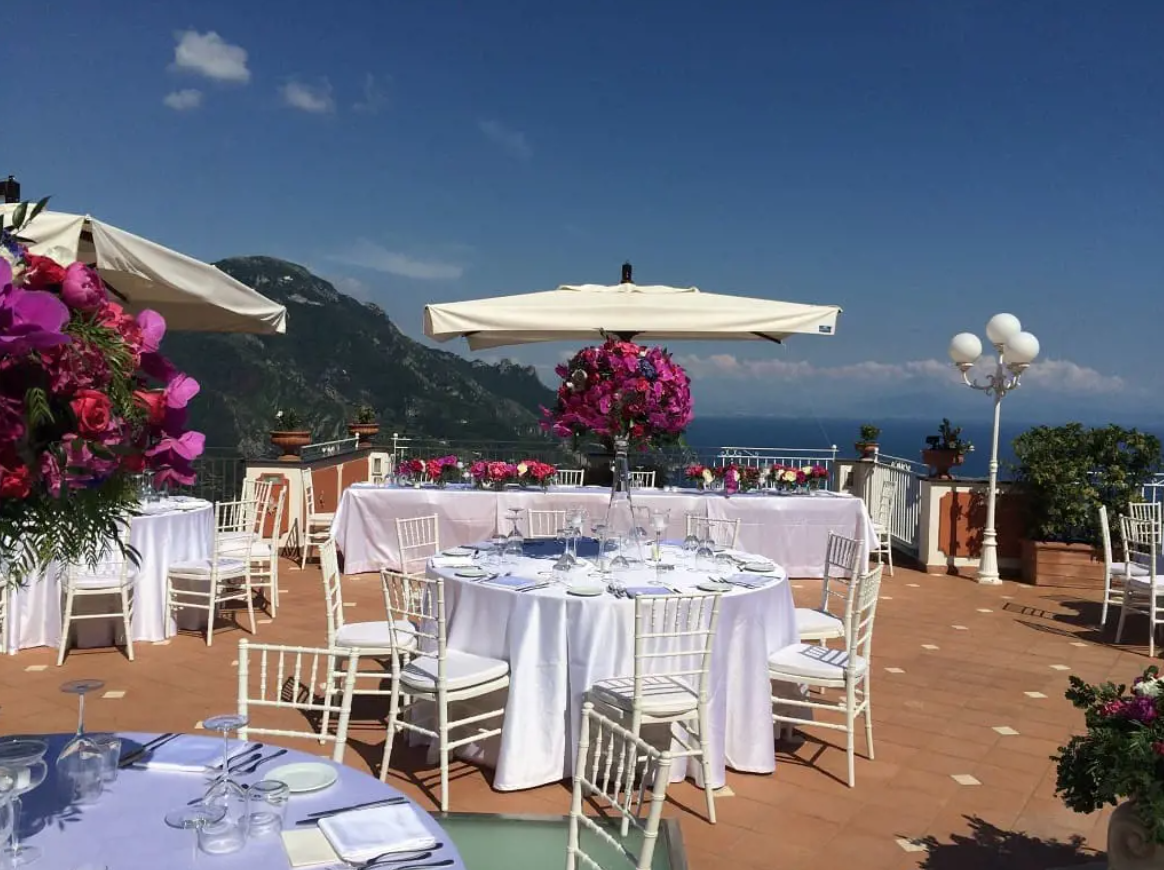
So before you start comparing beachfront resorts in Bali or vineyard villas in Italy, consider the key points below, as they may determine whether your retreat delivers lasting value or becomes a very expensive change of scenery for the team. Here is the complete guide to international corporate retreats.
1. The “Purpose First” Principle
One of the biggest mistakes companies make is choosing the destination before defining the outcome.
A retreat designed for strategic planning will look very different to one focused on team connection, leadership development, or rewarding high performers. Yet many organisers start with the question, “Where should we go?” instead of “What are we trying to achieve?”
By narrowing down the objectives and determining the purpose of your retreat, you can plan more intentionally and effectively while saving your team and yourself some confusion on the day.
Quick Tip: If your retreat objective can’t fit into a single sentence, it’s probably trying to do too much.
2. The Flight-Time Threshold
There’s a point where travel starts eating into the value of the retreat itself.
For Australian teams, destinations like Bali, Fiji, New Zealand, and Singapore continue to perform well because they balance novelty with accessibility.
Less time travelling often means more time connecting, collaborating, and actually enjoying the experience, so consider a location that won’t force the team to raw-dog a multi-day flight.
Quick Tip: Prioritise destinations with direct flights wherever possible, especially for groups larger than 20.
3. All Under One Roof
Convenience and simplicity are key to the retreat experience. The moment accommodation, meeting spaces, dining venues, and social areas are spread across multiple locations, complexity increases exponentially.
Every transfer introduces friction. Every venue change creates an opportunity for delays, disengagement, or logistical headaches. The best retreat venues remove these barriers by keeping everything in one place, which is exactly what you ought to be looking for.
Quick Tip: Ask how often delegates will need transport during the retreat. The answer should be “not often.”
4. Agenda Density Trap
Most organisers assume that because they’re taking people overseas, every minute should be maximised. In reality, just like a vacation, the opposite is often true.
Some of the most valuable exchanges between team members happen between sessions, over breakfast, or during downtime. Over-scheduling can prevent exactly the outcomes the retreat was designed to create, and force participants to rush through the process.
Simply put, some breathing room will work wonders for the interactions.
Quick Tip: Aim to leave at least 20% of the itinerary unscheduled.
5. The Passport Problem
Nothing derails retreat excitement faster than discovering your passport expires next month (it happens).
International events require a different level of logistical planning, which is why you need to give Visa requirements, travel insurance, passport validity, arrival forms, and transfer arrangements some attention well before departure.
Quick Tip: Ask attendees to confirm passport validity before you pay a single deposit.
6. The Hidden ROI
The value of an international retreat rarely comes from the workshop or retreat itself.
It comes from the relationships strengthened, the conversations started, and the clarity gained once people are removed from their day-to-day environment.
The destination creates the opportunity. The real return comes from what happens afterwards. Besides, every team loves a good debrief.
Quick Tip: Schedule a post-retreat action session within two weeks of returning.
International corporate retreats require more planning than a local offsite, but the payoff can be significant. With the right destination, venue, and structure, they can strengthen team connections, create alignment, and give people the space to think beyond their day-to-day responsibilities.
Ready to start planning? Forget about the online deep-dive you’re about to do, because Venue Crew can help you plan your next retreat every step of the way.
Feeling overwhelmed by the venue hunt? Our friendly Venue Specialists are here to help — get in touch with them today.