Room layouts can change how a meeting works before anyone says a word. Put 24 colleagues around one table and you invite a shared discussion. Split them across smaller tables and group work becomes easier. Arrange them in rows and the presentation takes centre stage.
Boardroom, cabaret or theatre? At Venue Crew, we help organisers work through this question when choosing a space. The answer affects far more than where the chairs go. The room layout decides who can see whom, how easily people contribute and what happens when “any questions?” is met with the familiar sound of silence. Quite a big deal, if you ask us.
Let’s see how that day unfolds in boardroom, cabaret and theatre room layouts.
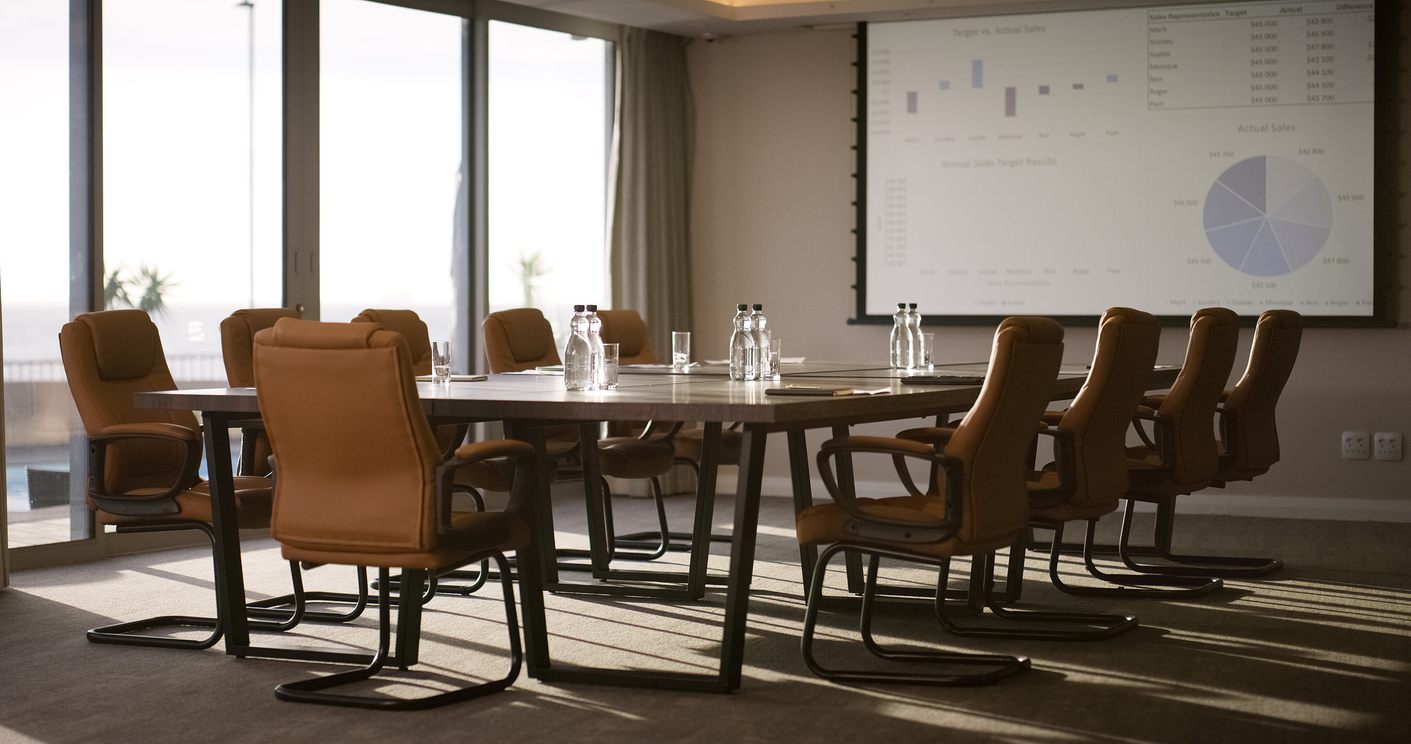
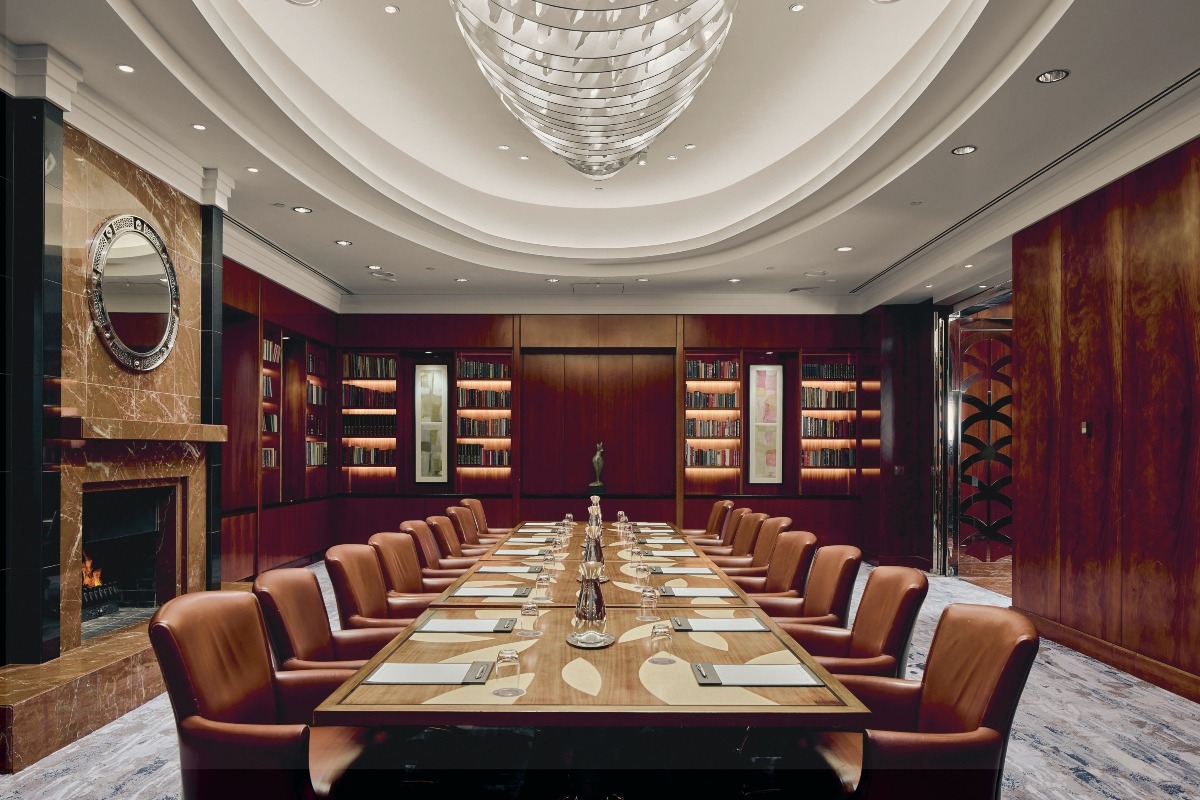
Around one table: boardroom
Everyone arrives, finds a seat around a single table and opens their laptop. Introductions lead naturally into discussion, with colleagues able to see one another and pass ideas around. Everyone can also see you checking your email. Useful, occasionally.
The presentation introduces the first challenge. Depending on the screen position, some guests turn sideways while others look down the length of the table. During an inspection, sit in the furthest seat and test the view with a realistic slide. A photograph of a mountain is a remarkably forgiving test of screen visibility.
By afternoon, the facilitator wants groups of four to tackle an exercise. Several conversations around one table can compete for attention, so ask about nearby breakout space. Boardroom suits this brief best when shared discussion leads the day and presentations stay short. If group work dominates, you may spend too much time trying to escape the table.
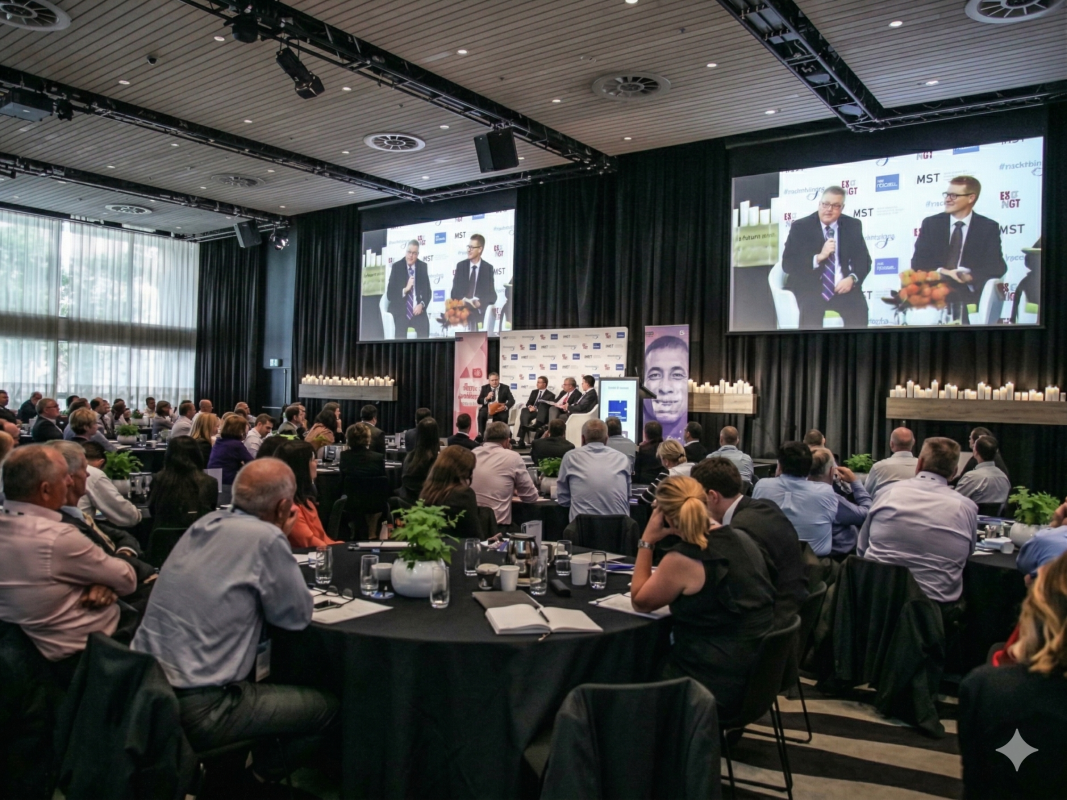
At smaller tables: cabaret
Same colleagues, same agenda, but now guests sit at smaller tables with an open side facing the presentation area. Conversation starts among tablemates, and when the facilitator introduces an exercise, everyone is already in position. Pens out, laptops open, no furniture negotiations required.
That makes cabaret a strong room layout for a day alternating between presentations and practical work. The challenge is keeping the whole room connected. Lively table discussions need a clear pause when someone reports back. Test whether contributions can be heard across the room and discuss microphones where needed.
Ask for a floor plan showing your actual numbers, then check chair positions, screen views and space for the facilitator to circulate. Choose table groups deliberately, too. Otherwise, the collaborative workshop may turn into lunch with everyone’s usual colleagues.
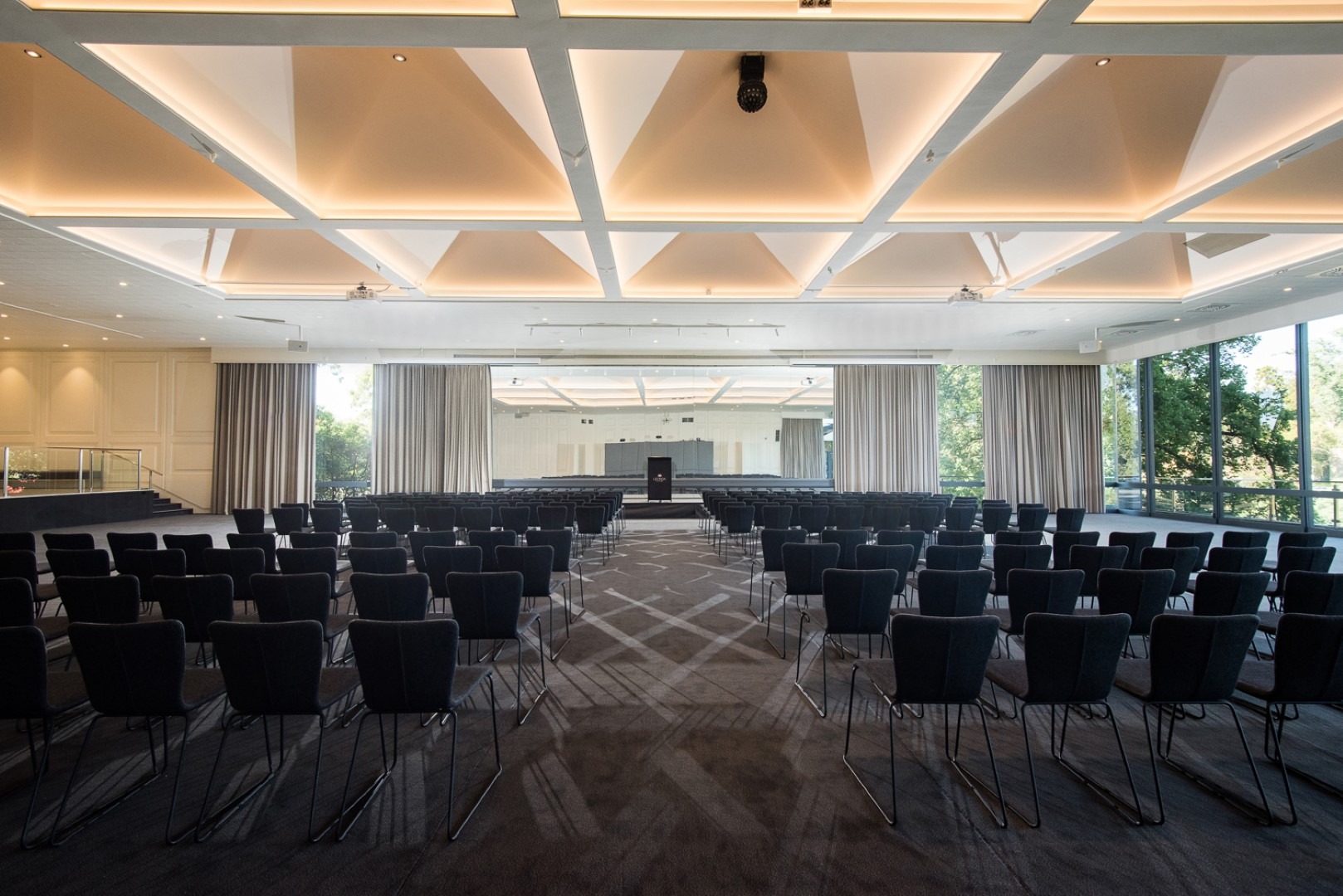
Facing the front: theatre
No, we are not in the cinema. Remove the tables, arrange chairs in rows and the room is ready for a presentation. Everyone knows where to look, giving the company update or guest speaker a clear focal point. Attendees see rather less of one another, unless the backs of heads count.
Questions and discussion need a little help here. Agree how contributions will be heard throughout the room, particularly from guests sitting behind others. A quick exchange with a neighbour is straightforward, but reviewing documents or completing a laptop exercise is less comfortable. Knees do have their limits!
As a room layout, theatre-style could suit the morning if a separate workshop room is ready for the afternoon. If the plan involves resetting the same room over lunch, confirm the time needed and where guests will go to save yourself some rushing and clattering.
The same 24 colleagues can have quite a different day depending on the room layout. Boardroom lends itself to shared discussion, cabaret supports group work between presentations, and theatre keeps attention on the speaker. It’s worth deciding what people need to do before deciding where they’ll sit.
Use the agenda to guide the setup, then check sightlines, sound and space to move. A layout can change between sessions if the venue allows time for it. The furniture should support the programme, rather than become part of an unscheduled team activity.
Working through a meeting brief? Enquire with Venue Crew about your agenda and guest numbers. We’ll help you land a space that suits the room layout that your team needs to be productive.
Feeling overwhelmed by the venue hunt? Our friendly Venue Specialists are here to help — get in touch with them today.